Technology and Tools for Medication Safety
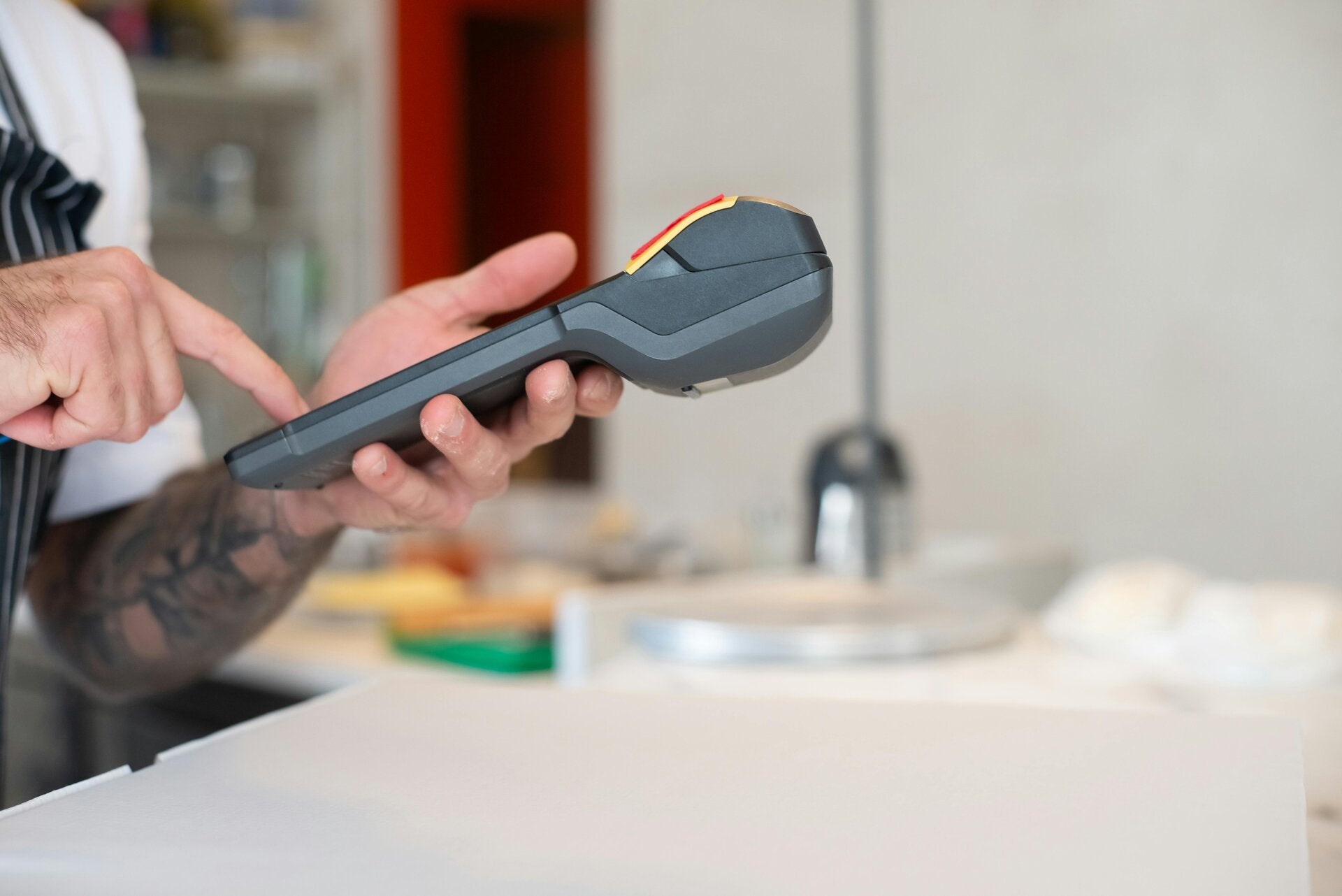
Barcode Medication Administration
This resource explains how bar code scanning technology helps reduce medication errors by ensuring the "five rights" of medication administration—right patient, right drug, right dose, right route, and right time. Nurses can use this to better understand how BCMA systems function and how to incorporate them into daily practice. It's especially helpful during training on new technology or when reviewing medication administration protocols.
Agency for Healthcare Research and Quality. (2019). Bar code medication administration (BCMA). https://psnet.ahrq.gov/primer/bar-code-medication-administration

NCC MERP: Index for Categorizing Medication Errors
This tool provides a standardized framework to classify medication errors based on severity, from near-misses to events resulting in patient harm. Nurses can use this index to report incidents accurately, participate in root cause analyses, and understand the impact of errors. It also supports a non-punitive culture of safety by focusing on system improvement rather than individual blame.
National Coordinating Council for Medication Error Reporting and Prevention. (2023). Index for categorizing medication errors. https://www.nccmerp.org/index-medication-error-severity

Medication Reconciliation to Prevent Adverse Drug Events
This resource outlines practical steps for performing medication reconciliation at admission, transfer, and discharge. It emphasizes the importance of accurate medication histories to prevent omissions, duplications, or harmful interactions. Nurses can apply these strategies during patient transitions to ensure continuity of care and reduce preventable medication errors.
Institute for Healthcare Improvement. (n.d.). Medication reconciliation to prevent adverse drug events. http://www.ihi.org/resources/Pages/Changes/PerformMedicationReconciliation.aspx
Create Your Own Website With Webador